The design of complex systems is of crucial importance in the context of high-risk, high-cost, low-volume projects, but with considerable scientific and societal impact.




The design of complex systems is of crucial importance in the context of high-risk, high-cost, low-volume projects, but with considerable scientific and societal impact.
These are characterised by strong design constraints and an extremely limited space for exploration. In addition, these constraints are often based on risk management systems, in which risks and the uncertainty surrounding them cannot always be fully understood.
Complexity is therefore a determining factor in the design strategy, as these systems are complex, i.e. they are affected by interactions between sub-systems that cannot always be modelled exhaustively. In addition, they are often highly dependent on advanced technologies, which adds an extra dimension to their complexity. In this demanding environment, systems design plays a decisive role in ensuring the success of sometimes critical missions.
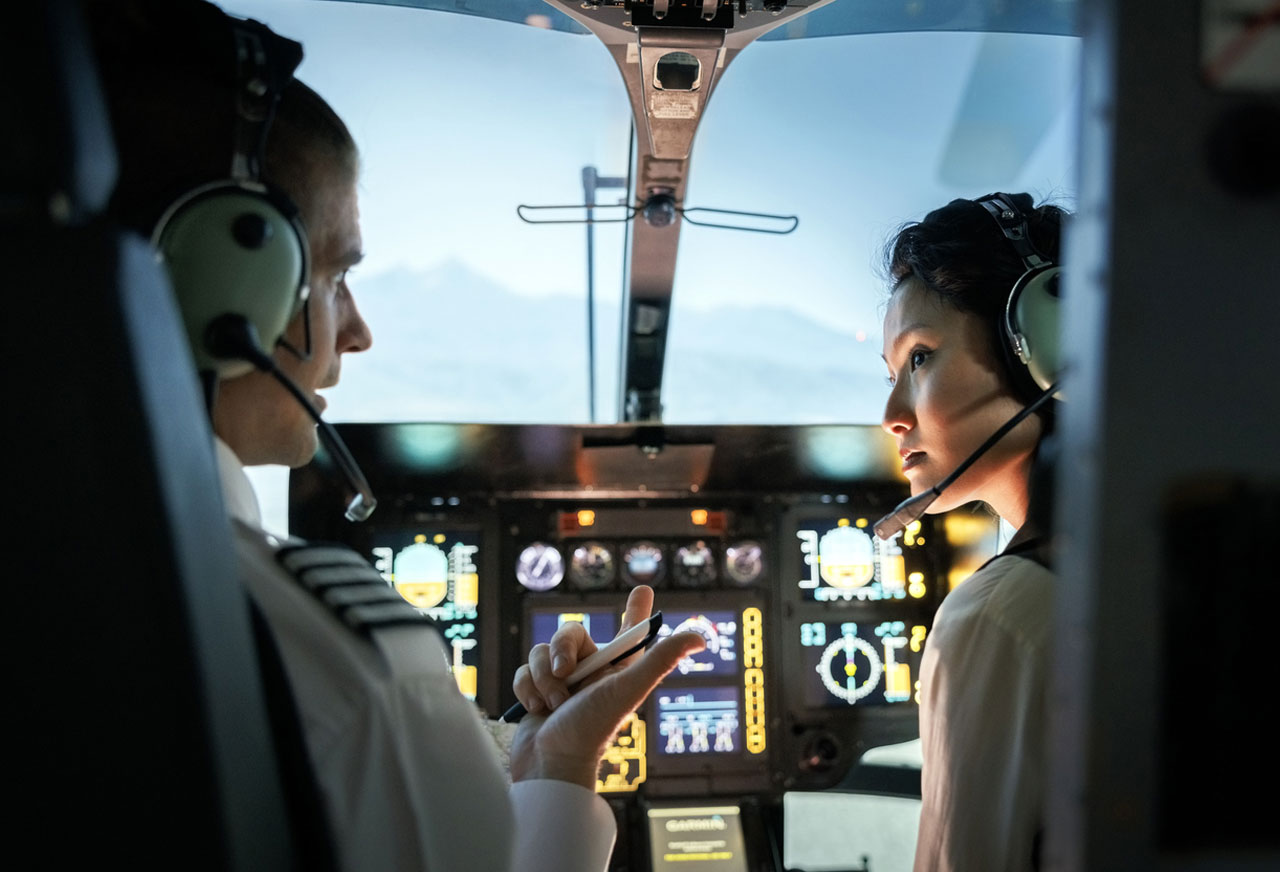
Human design Group plays an essential role in supporting its customers in the design strategy for complex systems. We do this in a number of ways:
In-depth understanding of needs and objectives
Human design Group works closely with its customers to understand their needs, objectives and vision of the system. This stage is essential for defining the key priorities and requirements of the project.
Design strategy experts assess the specific constraints associated with the project, including budgetary, regulatory and time constraints. They also identify the potential risks associated with the complex system.
Ergonomics and human factors integrated from the start of the design process ensure that the system will be user-friendly and meet users' real needs. This involves in-depth user research, usability studies, testing and prototyping to optimise ergonomics and user experience.
For complex systems, Human Design Group uses advanced modelling and simulation tools to anticipate interactions between different systems and sub-systems, identify weak points and optimise the overall design and implementation.
Human design Group also plays a key role in project management, establishing a roadmap, monitoring project progress, managing resources and ensuring that the project remains aligned with the initial objectives.
Due to the complex and expensive nature of these projects, Human design Group helps to identify opportunities for cost optimisation without compromising the quality or performance of the system.
Our design strategy experts are skilled at identifying, assessing and mitigating project risks, ensuring that our client is prepared for potential challenges.
Technological advances and the growing complexity of environments are leading to the integration of new systems supervision tasks into human activities. Technologies such as artificial intelligence, robotic assistance and the Internet of Things are now required to carry out routine, repetitive and predictable tasks.
This frees up a significant proportion of the operator's cognitive capacities, while shifting their role to that of manager or even coordinator of systems, ensuring that they function optimally and interact effectively with other processes. This evolution reflects the way in which technology is continually transforming human activities in increasingly complex technological environments.
The increasingly active integration of artificial intelligence (AI) into decision-making and operational processes raises major design issues. Whether it's a question of the reliability of the AI itself, which should make it possible to avoid costly errors, or of its explicability, the objective remains that users should make useful use of it without being disturbed by its use itself.
From the question of legal and technical liability in the event of a problem, the design of an AI system (AIS) has to address unprecedented challenges. The challenge is to ensure that it is used efficiently and ethically, in the service of people and the overall performance of organisations.
More than ever, the human-system relationship is a crucial issue. While safety and reliability remain essential, the management of the cognitive load, training, communication and collaboration between the players involved is of paramount importance. This is particularly true in the context of hybrid organisations that combine new forms of interaction and collaboration with autonomous systems, resulting in growing complexity.
In this new context, the ability to manage emergency situations, as well as the issue of shared authority and, by extension, responsibility and ethics, are now essential elements of the design process.


Human design Group is always on the lookout for new talent to strengthen its teams and support its growth.