


For more than forty years, Human design Group has been shaping changes in the workplace by demonstrating that design rooted in ergonomics and human factors makes a positive contribution both to people's health and to the efficiency of organisations, making working conditions a strategic asset for overall performance.
This conviction, which has been verified and nurtured by the experience gained from hundreds of projects, is now taking on a whole new dimension: robotisation, artificial intelligence, hybrid work and longer careers mean that the balance between performance and well-being has to be constantly readjusted. As P. Falzon points out, it is precisely in the tension between productivity and people that ergonomics reveals its systemic value, shedding light on the hidden costs of performance and new levers of competitiveness.
To meet these challenges, Human design Group deploys an integrated approach. By measuring physical, cognitive and organisational constraints using field sensors and demanding activity analysis, we know how to prevent wear and tear. By aligning tools, spaces and processes with actual usage, we support change and skills development, guaranteeing the long-term viability of solutions that have been tried and tested in real-life operational situations.
We are delivering tangible results: reduction in muscular effort following the redesign of a reaction arm; keeping field operatives in work by adjusting career paths and certain critical actions; optimisation of an industrial macro-zoning system reducing non-quality and the risk of falls while speeding up production, etc.
By transforming every constraint into a design opportunity, Human design Group helps companies to build safe, agile and attractive organisations, ready to combine economic performance, social responsibility and quality of life at work to transform working conditions on an ongoing basis.
Cconvert each operational constraint into a lever for overall performance.

Measure
The contribution of neuroscience
the way working conditions are viewed?

Anticipate
Can we reconcile professional wear and tear, longer working lives and attractiveness?

Align
How to reveal deposits
value by improving
working conditions?

Support
How to control a pipe
of change centred on
Working Conditions?
Using sensors to measure stresses can be a methodological solution for :
The measurement systems developed by the Human-System Research and Innovation Centre (CRIHS) of Human design Group include easy-to-deploy field sensors with advanced data monitoring, processing and synchronisation systems.
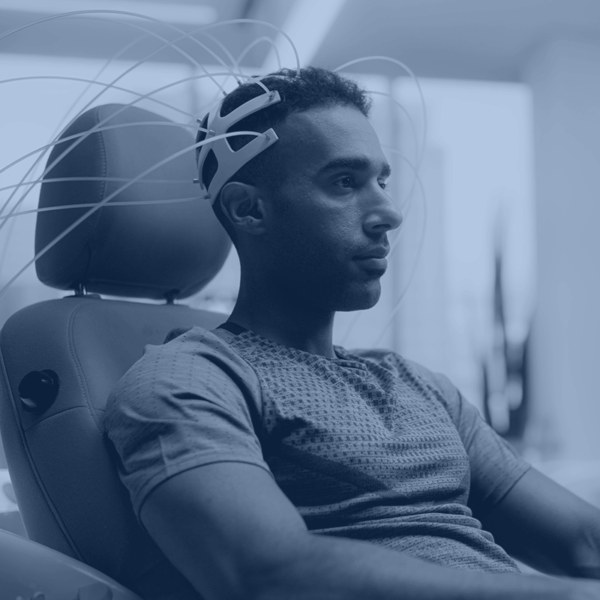
Managing the mental and physiological load
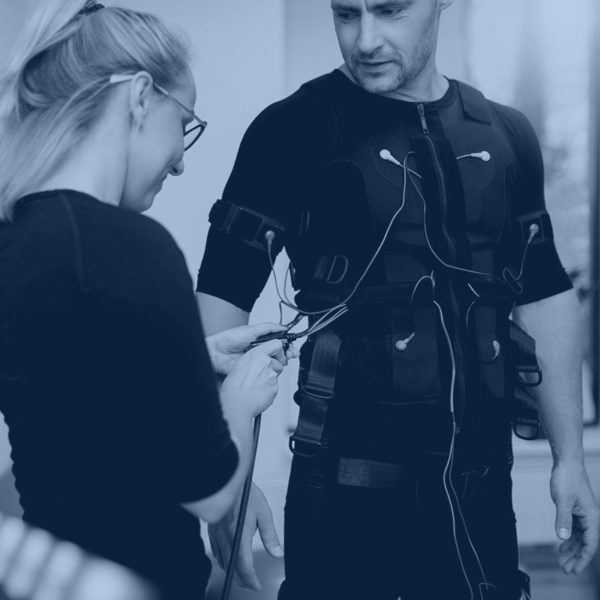
Assessing the risks associated with movements and postures

Monitoring attention and perception

Optimising the immersive experience (XR).
Complement ergonomic diagnostics with sensors and targeted measurements to improve human factors data, refine information and measure experience.
After an accident at work, and usability questioned due to excessive weight, the reaction arms were withdrawn for low-torque screwdriving, with the introduction of a lighter version and modulation of the screwdriving programmes.
However, these significant adaptations were not unanimously supported.
An ergonomic diagnosis of the working conditions of today's employees means :
Human design Group works with and advises companies on these different dimensions and requirements.

Characterising work situations

Transforming tools, spaces and organisations

Supporting skills management

Giving meaning, attracting and strengthening support
Improving working conditions to protect health, develop individual and collective resources, improve performance and make it an attractive factor.
Ergonomic diagnosis to assess and adjust working conditions in airport jobs to ensure that staff remain in employment
How can we manage the difficulty of airport jobs in a context where working life is getting longer and the attractiveness of jobs is becoming more important post-covid? What solutions can be put in place to help people stay in work: adapting working conditions, defining career paths, managing burnout?
As P. Falzon (1) reminded us, The specificity of ergonomics lies in its tension between two objectives: organisation and performance (efficiency, productivity, quality, reliability, durability, etc.), and people (safety, health, comfort, ease of use, satisfaction, interest in the work, etc.).
Exchanges with other disciplines (2) (socio-economics, political science, management science, etc.) show and measure that the quality of work and the commitment of operators are key factors in performance. These approaches make it possible to objectify malfunctions, model invisible costs and anchor the human factor as a driver of systemic efficiency.
1. Falzon, P. (2004). Ergonomics
2. Collective (2023). What do we know about work?
at Human design Group develops strategies and implementation plans that maximise performance while minimising the resources and effort required. This requires an analysis of current and future operations, an approach that often incorporates innovative methodologies and appropriate technological solutions.

Balancing performance and health in the workplace
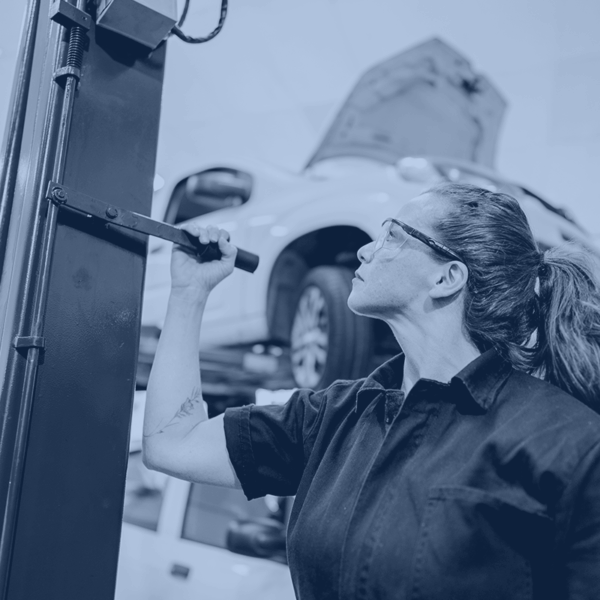
Operator commitment, levers for productivity

Identification and reduction hidden costs
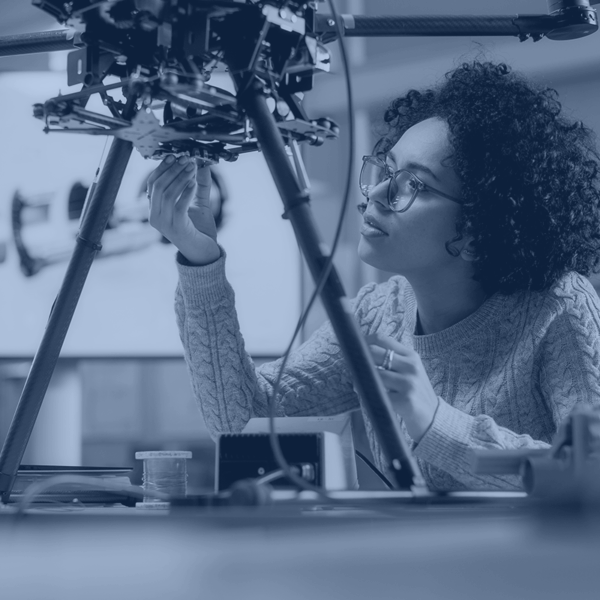
Systemic approach & innovation
Objectivise working conditions to show the cost of malfunctions (errors, absenteeism, lack of quality, etc.) and the potential benefits of changes.
Ergonomic diagnosis to rethink the layout of an industrial space and align it with operational efficiency
Include human factors gains in the future situation in the ergonomic diagnosis of the current situation.
Against a backdrop of constant organisational and technical change, mastering the process of change management and getting users on board are key to the success of any project.
Because it is grounded in the field and systemic in nature, business analysis offers added value and a real differentiator compared with other approaches to enriching transformation projects with data relating to the «last few kilometres» to be integrated for :
at Human design Group supports transformation projects:

Analysing activities in real or simulated situations

Identifying business anchors and hidden costs

Specifying and managing the means of transition
Measuring operational efficiency through FOH
Integrating social and human performance, and operational efficiency, into project objectives by feeding back needs on the ground, business uses and opportunities.
Supporting change in the project to integrate cyber security requirements into the nuclear fleet
The cybersecurity project, a national project, with additional measures to be defined, deployed and integrated at the level of the nuclear power plants - measures that are sustainable in terms of organisation, equipment and the skills to be acquired at all levels (operators, engineering and management).