


The growing need for mobility raises major challenges, such as safety, performance and environmental footprint. While technology, autonomy and artificial intelligence are three essential assets for tackling these issues, it is vital to keep people at the heart of these projects. Infrastructure, cockpits or control rooms, as well as products and services for users, are all areas that need to benefit from a human-centred approach.
While the need for mobility is expanding significantly these days, this growth brings with it major challenges.
While machines and algorithms are performing increasingly complex tasks and improving everyday life, it is essential not to lose sight of the crucial importance of interactions, whether we are talking here about interactions between humans, or between humans and systems. The infrastructures designed to support these new modes of mobility must be conceived in such a way as to meet the needs and expectations of both end users and the operators in charge of managing these mobility services.
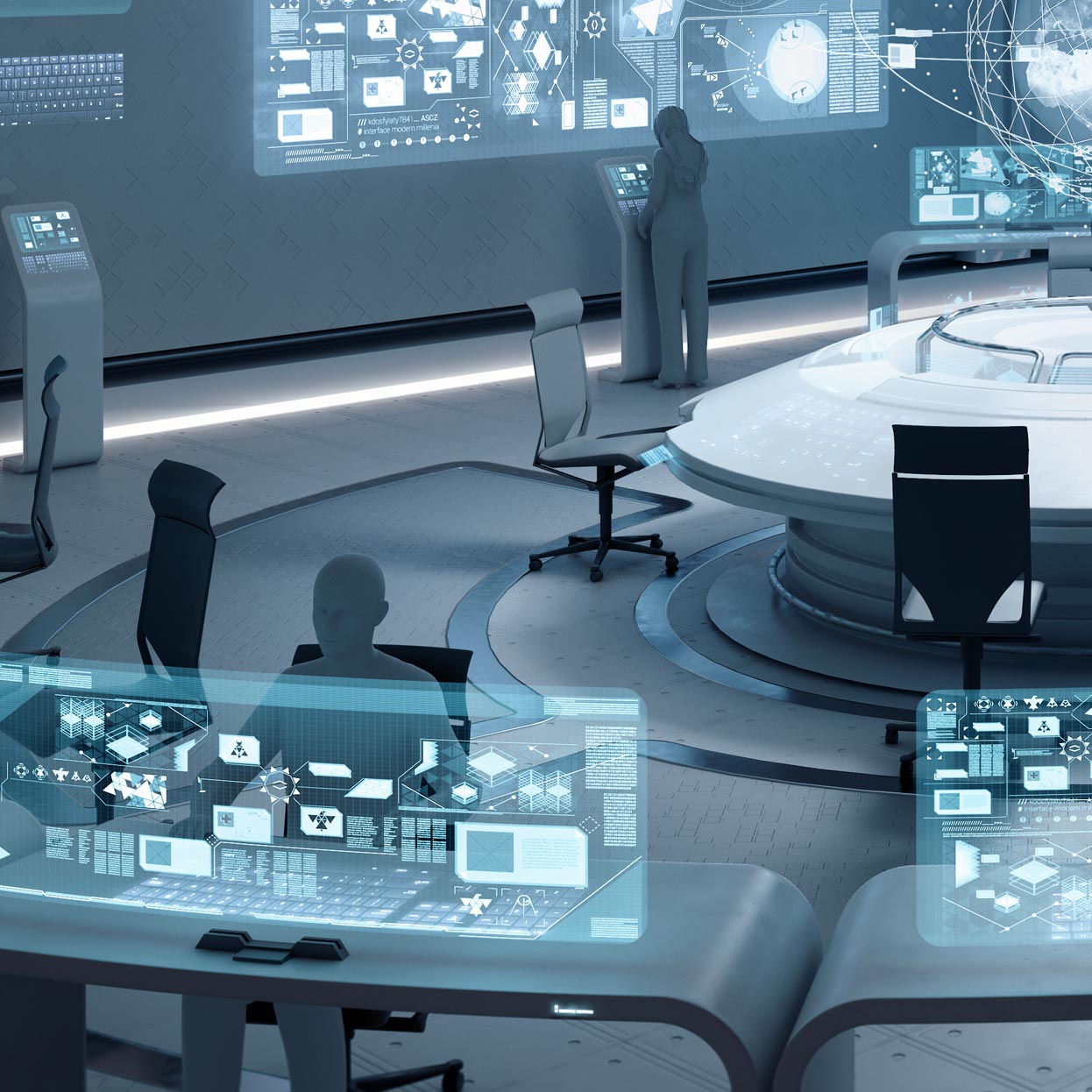
This also applies to control and supervision areas, such as cockpits or control rooms. The ergonomics of these working environments must be taken into account to optimise the performance of operators interacting with these technologies. Human-centred design ensures a better understanding of systems, more effective decision-making and a reduction in potential errors.
Finally, products and services aimed at users also benefit from human-centred design. User experience (UX design) needs to be taken into account right from the design phase, in order to offer solutions that are intuitive, user-friendly and tailored to the specific needs of each individual. This focus on the human element encourages the understanding and adoption of new technologies, while contributing to safer, more efficient and environmentally-friendly mobility.

In a constantly evolving field, it is essential to adopt a rational approach in order to carry out high-performance transformations while ensuring safety. As a leader in the field, Human design Group is positioned as a third party reference, offering unique expertise in human sciences combined with design and physical and cognitive ergonomics.
With over 40 years' experience and renowned partnerships, we support our customers throughout their transformation and innovation process. Our role is to guide innovation, focusing on the viability and appeal of the proposed solutions. We also assess and validate existing initiatives.
One of our key strengths lies in our ability to transfer our expertise from one sector to another. This cross-functional approach enables us, for example, to bring our cutting-edge know-how in the aeronautics sector to our customers in the mobility sector, taking into account the common trends influencing both sectors.
Our approach is based on an in-depth understanding of the needs and expectations of users, whether professionals or the general public. By integrating human, technological and organisational aspects, we are able to propose innovative, tailored solutions that meet the specific challenges of the transport sector.
We believe that transforming mobility requires a combination of technical expertise, a deep understanding of people and creativity that is attuned to market realities. Working closely with our customers, we design solutions that enhance the user experience, optimise operational performance and comply with regulatory safety requirements.
Human design Group has become a key partner in supporting the transformations and innovations that follow. Thanks to our multidisciplinary expertise, our proven experience and our solid ecosystem, we are fully committed to creating high-performance, secure and people-centred solutions, helping to shape the future of mobility. As an industry leader, we are determined to remain at the forefront of innovation and to anticipate the emerging needs of our customers.
Human design Group offers specialist expertise in human-centred innovation. We offer decision-support tools to guide our customers in their choices and the management of innovation. Thanks to our in-depth understanding of users, we provide them with strategic recommendations based on relevant insights. Our aim is to support them in a constantly changing competitive environment, optimising their chances of success.
Once the concept has been put into project mode, the key objective is to make it both reliable from a human factors point of view and attractive. Whether it's to improve performance, enhance network security, ensure maintenance or create enriching collaborative experiences while guaranteeing health and safety in the workplace, Human design Group puts all its know-how at the service of its customers. We work closely with them to offer solutions that meet their specific needs, combining a human factors approach with in-depth expertise in the mobility sector.
Human design Group is the partner of choice for supporting certification processes and conducting assessment campaigns. We offer innovative solutions, such as VR simulation of likely future situations adapted to the different phases of projects. This approach enables us to control the associated costs and risks, while offering reliable and relevant results. We provide our customers with a proven approach that facilitates the certification, assessment and optimisation of their projects.